Refrigerated transport - What is conditioned transport and what does it cost?
Refrigerated transport, also known as conditioned transport, is the transportation of perishable goods such as food at a controlled atmosphere. This is done by trucks in which the atmosphere in the cargo space can be regulated so that there is no loss of quality.
There are different forms of conditioned transport. For example, you have a "simple" insulated truck or van with a ventilation system. These are suitable for moving fruit, for example. There are also vans and trucks with full refrigeration systems that can control the temperature of the cargo. These refrigeration systems can be powered by diesel generators or they can use carbon dioxide as a refrigerant. This allows them to transport products at a lower temperature than the outside air, or even keep them frozen. In that case, they are referred to as freezer transport.

What does refrigerated transport cost?
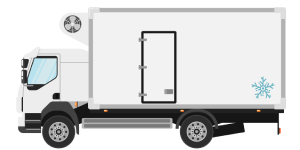 The price of refrigerated transport is higher than regular transport. A freezer transport where the goods remain frozen is even more expensive. Below is the average mileage rate for refrigerated and freezer transport.
| Type geconditioneerd transport | Kilometerprijs gemiddeld (€) |
|---|---|
| Koeltransport (bus klein) | 0,70 tot 0,90 |
| Vriestransport (bus klein) | 0,90 tot 0,99 |
| Koeltransport (vrachtwagen) | |
| Vriestransport (vrachtwagen) |
Please note that weekend or evening transport may be subject to surcharges. Furthermore, there is usually a fuel surcharge of +/- 3-5% and toll charges are also passed on to you. For international refrigerated or frozen transportation, these surcharges can add up significantly, especially the fuel surcharge. If you want to send refrigerated or frozen goods regularly or periodically, you can usually negotiate a more favorable rate with the transport company.
Below we have collected some examples of prices for refrigerated transport:
| Gekoeld transport | Prijs (€) |
|---|---|
| 3 gekoelde pakketten van 7 kg van Ede naar de Randstad | 90 |
The cost of conditioned transport is higher on average because a conditioned transport company needs additional permits and certifications and requires a special bus or truck.
The cost of conditioned transport varies widely. It really depends on the complexity of the transportation order. Transportscanner has several specialized refrigerated transporters affiliated with us who will be happy to help you with your one-time or recurring request. Look at the bottom of this page for companies specialized refrigerated transport.
ATP - inspection conditioned transport
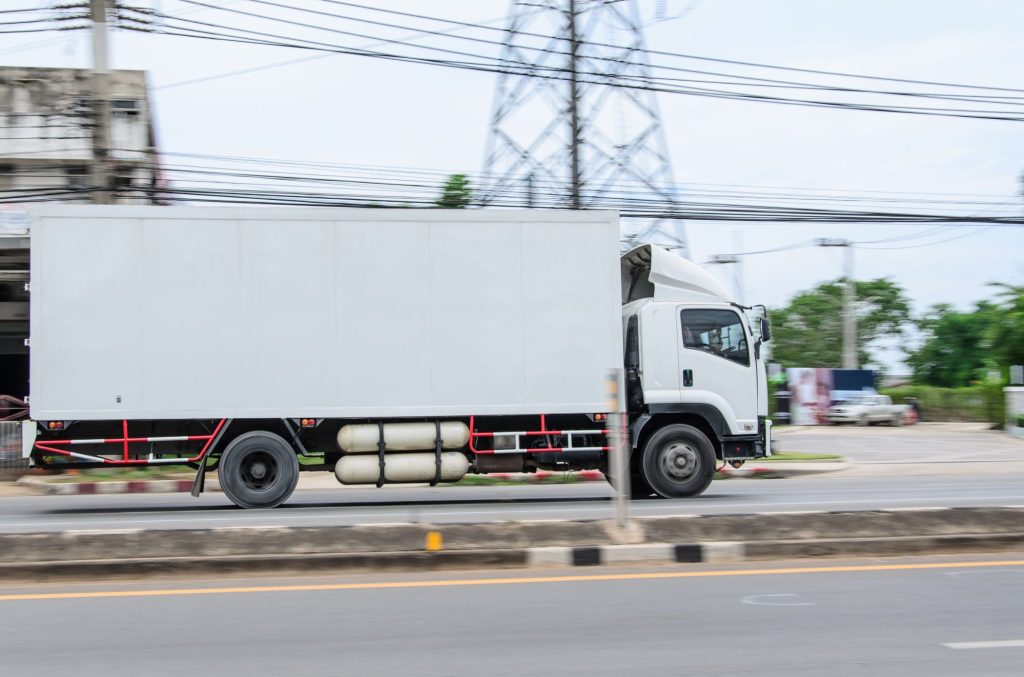 For international conditioned transport, the vehicle must be ATP-approved. This applies to transport by road, rail, water or air. If a truck is ATP (Accord Transport Perissables) approved it will appear on the side.
When a new refrigerated container is made, it must undergo an ATP inspection. This inspection is valid for 6 years and then needs to be re-inspected every 3 years. A valid certificate must always be present in the vehicle. Products covered by the ATP standard and the corresponding temperature:
- Ice -20ºC
- Frozen or quick (deep) frozen fish, fish products, molluscs and crustaceans -18ºC
- All other fast (deep) frozen foods -18ºC
- Frozen butter -10ºC
- All other frozen foods -12ºC
- Red offal + 3ºC
- Butter + 6ºC
- Game products (other than large game) + 4ºC
- Milk in tankers + 4ºC
- Industrial milk + 6ºC
- Chilled dairy products + 4ºC
- Untreated fish, mollusks and crustaceans on melting ice or at temperature of melting ice
- Meat products (excluding red offal and fully treated canned meat) + 7 ° C
- Poultry and rabbits + 4ºC
The ATP certificate is issued by the RDW. More information on ATP legislation can be found on the government's site.

HACCP - food safety control
To ensure food quality and thus safety, the EU prescribes the so-called HACCP (Hazard Analysis and Critical Control Points).
The main principles to be followed are:
- Identify potential hazards
- Identify management points where control is needed (CCP)
- Set acceptable limits for each point
- Perform a check to verify the points
- Take corrective action if the point exceeds the acceptable limit
- Make sure points 1-5 are working effectively on a regular basis
- Make records and notes showing compliance with items 1-6
The whole idea behind the HACCP is preventive. All companies in the logistics chain around perishable food must be concerned with it. In the Netherlands, the NVWA (Dutch Food and Consumer Product Safety Authority) monitors compliance with hygiene in the food industry. The NVWA checks the presence and compliance with HACCP at companies.
Transportation is only one component in the entire food chain, but a very important one. When a food product is in a fixed location, for example, it can normally be easily kept refrigerated. When a perishable product goes on transport, this is not a given. This is precisely why strict adherence to these principles in the transportation link of the food chain is so important.
Fruit and vegetable transportation
The Netherlands and Europe impose strict regulations on the transportation of fresh produce such as fruits and vegetables. The Netherlands has a large number of transporters who work mainly for growers, trading houses and auctions.
Reach companies in refrigerated and frozen transport
Request multiple quotes without obligation from companies specializing in conditioned transport. Fill out the form below and companies will get in touch.
Transport companies specializing in refrigerated transport




Previously posted conditioned transport